
Breathwork for Anxiety: Why "Just Breathe" Isn't Enough

"Take a deep breath."
Possibly one of the least helpful things anyone can say when you're already losing it.
Especially when you're anxious and someone says it in that voice.
You know the one.
"Just breathe."
Thank you. Hadn't thought of that.
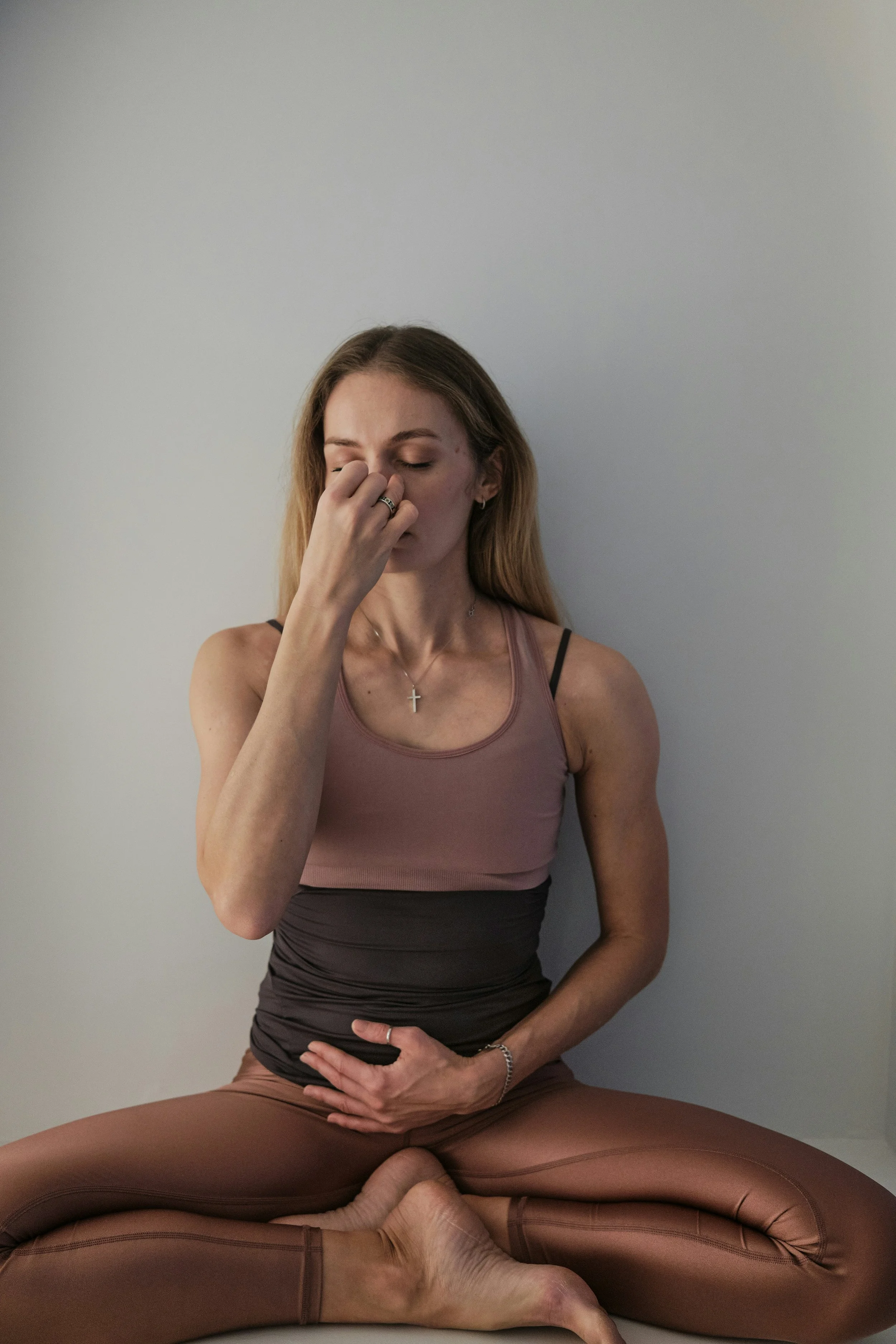
But here's the annoying part: there actually is something to it. Breathwork for anxiety and stress works because your breath is one of the few ways you can directly communicate with your nervous system. Slowing your breathing, especially making your exhale a little longer than your inhale, can help your body shift out of a state of high activation.
It's not a magic trick. It won't make uncomfortable feelings disappear. But it is a real tool. And you already have it with you. Which is convenient.
Why Does Breathing Affect Your Nervous System?
Think about what happens naturally when you're scared or stressed.
Your breathing often changes. It may become faster or shallower. You might hold your breath without realizing it.
Your heart rate can increase. Your muscles tense. Your body is preparing to do something.
Now think about how you breathe when you're deeply relaxed or falling asleep.
Very different.
Breathing is interesting because it happens automatically, but we can also intentionally change it. That makes it a two-way street. Your nervous system affects your breath, and your breath can affect your nervous system.
By deliberately slowing the breath, particularly by allowing the exhale to become comfortably longer, we may help shift our physiological state toward less activation.
Notice I said help.
I didn't say four breaths will erase your anxiety, heal your childhood, and make your husband stop annoying you. Wouldn't that be nice?
Breathwork is a nervous system regulation tool. It's not the entire solution.
A Simple Breathing Exercise for Anxiety: The Longer Exhale
If you're feeling anxious or activated, start simple. You don't need an app. You don't need candles. You don't need to sit cross-legged. And you definitely don't need to be good at meditating.
Try this:
Breathe in gently through your nose for about four counts.
Breathe out slowly and comfortably for about six counts.
Repeat for a few rounds.
Pause and notice what's different, if anything.
Don't gulp in an enormous breath. Don't strain to get the numbers exactly right. The numbers aren't magic.
What matters is slowing things down and letting your exhale be a little longer than your inhale.
Then notice what happens.
Not: "Did I fix myself?"
Just: "Did anything shift?"
Maybe your shoulders drop. Maybe your heart rate slows a little. Maybe your thoughts aren't moving quite as quickly. Even a small change matters.
Is Breathwork Supposed to Make Feelings Go Away?
No. And this part is important.
If you're angry because someone crossed a boundary, I don't want you to breathe until you convince yourself you're no longer angry. You may need that anger. It's information.
If you're anxious because something genuinely requires your attention, regulation doesn't mean ignoring the problem.
And if you're grieving, sad, hurt, or disappointed, you don't need to breathe those emotions away.
Nervous system regulation is not emotional suppression. We're trying to create enough space inside your body that you can experience an emotion without the emotion completely taking over the steering wheel.
You can be regulated and still be angry.
You can be regulated and still say no.
You can be regulated and still leave.
You can be regulated and still have the difficult conversation.
The difference is that now you're responding intentionally rather than reacting automatically.
What If Breathwork Makes My Anxiety Worse?
Slow down your breathing, then if it’s still not better or even making it worse, STOP!
Seriously.
One of my least favorite things about wellness culture is the idea that because something is helpful for many people, it must be helpful for everyone.
For some people, focusing intensely on breathing or internal body sensations can actually increase anxiety or discomfort.
If that's you, breathwork may not be the best regulation tool in that moment. Try something external instead.
Walk outside.
Look around the room and name what you see.
Feel your feet against the ground.
Hold something cold.
Listen to music.
Talk to someone who helps you feel grounded.
Move your body.
There are many ways to regulate your nervous system. The best technique is the one that actually helps you.
When Should You Use Breathwork for Stress?
Don't wait until you're at a 10 out of 10. This is something I teach all the time.
Learn what a three feels like.
Maybe your jaw tightens.
Maybe your breathing changes.
Maybe your stomach drops.
Maybe you start talking faster.
Maybe you feel the urge to explain yourself.
Maybe you notice yourself mentally rehearsing an argument that hasn't happened yet.
Those are opportunities. If you can recognize activation earlier, you have a much better chance of doing something with it before your nervous system completely takes over.
Take a few slower breaths before responding to the text.
Breathe before walking into the difficult conversation.
Use your breath when you notice your body beginning to tense.
Practice when you're not anxious, too.
You're learning to recognize and influence your own state. Not waiting for an emergency and hoping a breathing exercise saves you.
Why Breathwork Alone Isn't the Whole Answer
This is where my approach probably differs from some of what you'll see online.
If breathwork helps you regulate, wonderful. Use it.
But if you need to regulate yourself every single time your partner doesn't text you back quickly enough, I'm eventually going to ask: What does not hearing back mean to you?
If you're doing breathing exercises every Sunday night because the thought of work on Monday fills you with dread, maybe we need to talk about work.
If you need ten minutes of breathwork every time someone is disappointed in you, I want to know why someone else's disappointment feels so threatening.
If conflict immediately sends your nervous system into overdrive, let's understand what you learned about conflict.
This is the difference between managing a reaction and understanding it. We often need both. Regulate first so you have access to yourself again. Then get curious.
That's a big part of what we do in somatic coaching. Breathwork, body awareness, and nervous system regulation sit right alongside the deeper work of understanding the patterns underneath. And if you want to understand what's actually happening in your body when you get activated, this post on nervous system regulation is a good place to start.
Breathwork Is a Tool, Not the Destination
I want you to have tools. I teach them. I use them.
But I don't want you spending your entire life becoming extraordinarily skilled at tolerating things that need to change.
Sometimes you need to breathe. Sometimes you need a boundary. Sometimes you need to have the conversation. Sometimes you need to grieve. Sometimes you need to understand why this particular situation has such an enormous hold on you. And sometimes you need to change your life.
Knowing the difference? That's the deeper work.
What Does Your Body Need Right Now?
The next time you're overwhelmed, your first question doesn't have to be: "How do I make this feeling stop?"
Try: "What does my body need right now?"
Regulate first. Then ask the bigger question: "What is this reaction trying to tell me?"
If you're ready to go beyond managing the reaction and start understanding it, I'd love to hear from you. You don't have to figure this out alone. Reach out through the contact form and let's talk about what's been going on.
Frequently Asked Questions
What is breathwork?
Breathwork is the practice of intentionally changing the pace, pattern, or depth of your breathing for a specific purpose. Some practices are designed for relaxation and nervous system regulation, like slow breathing with a longer exhale. Others are used in contemplative, wellness, or coaching settings to help people become more aware of what's happening in their bodies.
Can breathwork help with anxiety?
Yes, gentle breathing exercises can help many people lower physical activation during anxiety or stress. Slowing your breath gives your body different input and can create more space between a trigger and your response. Breathwork is one tool, though, not a replacement for mental health or medical care when anxiety is persistent or severe.
What is the best breathing technique for anxiety?
There isn't one best technique for everyone, but a simple place to start is inhaling gently for about four counts and exhaling slowly for about six. The key is letting your exhale be comfortably longer than your inhale. Skip big, forced breaths, and stop any exercise that makes you lightheaded or more anxious.
How often should I practice breathwork?
Practice for a few minutes when you're relatively calm, not only when you're overwhelmed. Regular practice helps you notice your breathing patterns and catch early signs of stress, like a tight jaw or shallow breathing, before your nervous system reaches a 10 out of 10. Earlier awareness gives you far more options.
What if breathing exercises don't calm me down?
Nothing has gone wrong. Breathwork isn't the right tool for every person or every moment, and for some people, focusing on the breath increases anxiety. Try something external instead: walking, naming what you see around you, feeling your feet on the ground, or talking with someone who helps you feel grounded.
Is somatic coaching with breathwork right for me?
It may be a good fit if you understand your patterns intellectually but still feel stuck, or if your body always seems to feel "on." No prior experience with breathwork or somatic work is needed. Sessions move at the pace of your nervous system and are coaching, not therapy or medical treatment.
This blog is for informational purposes only and does not constitute medical, psychological, or therapeutic advice. Nothing here is intended to diagnose, treat, cure, or prevent any mental or medical condition. Coaching is not a substitute for therapy or medical care. You are responsible for your own physical, mental, and emotional well-being, decisions, and actions. If you're in crisis or need immediate support, please contact a licensed professional or emergency services.
